
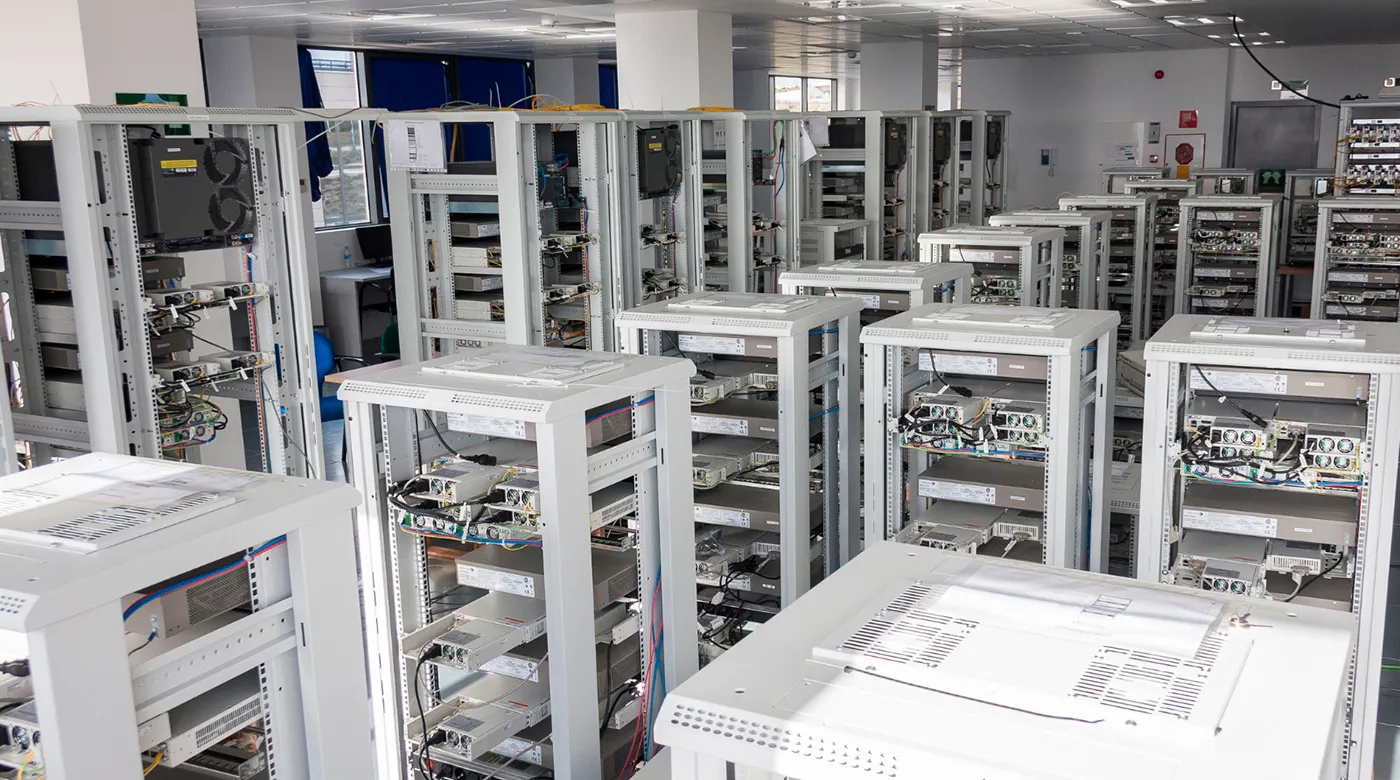
Edge computing offers immense potential to improve efficiency in Operational Technology (OT) systems, which include the management of industrial processes, automation, and the control of critical infrastructure. By processing data locally at the edge of the network, edge computing reduces latency, allowing OT systems to respond more quickly to changes and events in real time. This is crucial in industrial environments where response speed can directly impact productivity and safety. Furthermore, the ability to perform analytics and make decisions locally optimises bandwidth use, as only relevant data needs to be sent to the cloud for further processing. This efficiency in data management and decision-making improves operability and reduces operational costs in OT systems.
Implementing edge computing significantly enhances the performance of OT systems. The devices and sensors that make up these systems generate a huge volume of data that needs to be processed rapidly to maintain operational efficiency. Moving data processing to the edge ensures this data is analysed immediately, enabling real-time adjustments and maintaining a high level of performance. This is particularly beneficial in applications such as smart manufacturing, where processes must be constantly optimised to maximise production and minimise waste. The ability to make real-time adjustments and optimisations is a significant competitive advantage for any industry using OT systems.
Edge computing also critically enhances security within OT systems. Processing data locally reduces the need to transmit sensitive information across long and potentially insecure networks. This minimises the risk of cyberattacks and other security threats, better protecting data integrity and operations. In sectors like energy, transport, or healthcare, where data and infrastructure security are vital, this local processing capability provides an additional layer of protection. Moreover, OT systems can implement specific security measures tailored to local needs, further enhancing threat protection.
In addition to improving efficiency, performance, and security, edge computing also increases the resilience of OT systems. In the event of a cloud connectivity outage, OT systems can continue to operate autonomously, relying on local data processing. This ensures that critical operations remain unaffected by connectivity issues, maintaining service continuity and reducing the risk of downtime. Enhanced resilience is particularly important in critical infrastructure, where any disruption can have significant consequences. By guaranteeing operational continuity, edge computing contributes to the stability and reliability of OT systems.
Finally, by driving these improvements in efficiency, performance, and security, edge computing also facilitates innovation and the development of new applications and services. With data processing at the edge, companies can deploy more advanced,
tailored solutions that better respond to their specific needs. This includes using artificial intelligence (AI) and machine learning (ML) to further optimise industrial processes and improve decision-making. The flexibility and responsiveness provided by edge computing allow OT companies to adapt quickly to market changes and customer demands. Ultimately, edge computing not only improves existing OT systems but also opens up new opportunities for growth and innovation in the industrial sector.